










The Power of Legacy: A Comprehensive Report on Yinka Alaseyori's 'Celebrating the Legends' Event
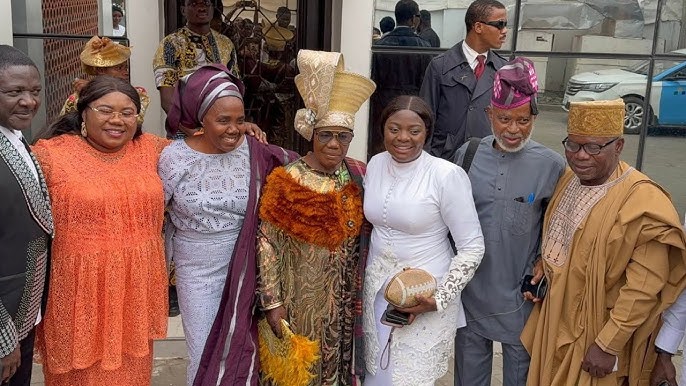
On Thursday, August 21, 2025, the Nigerian gospel music community witnessed a historic event as popular gospel singer Adeyinka Alaseyori hosted "Celebrating the Legends with Adeyinka Alaseyori" at the Whitestone Event Centre in Ikeja, Lagos.1 More than a mere concert, the gathering was a "night of reflection, worship and gratitude" dedicated to honoring the trailblazing pioneers who laid the foundation for the genre in Nigeria.1 The honorees represented a pantheon of musical and spiritual giants, including Ebenezer Obey, Joseph Adelakun (Ayewa), Timi Osukoya (Telemi), Deborah Fasoyin, Dupe Olulana, Funmi Aragbaiye, and Bola Are.
This celebration's significance extends far beyond the stage. It stands as a timely and proactive gesture, challenging the prevalent cultural tendency to revere artists only after their passing. Alaseyori’s decision to celebrate these living legends sets a powerful precedent, fostering a sense of unity and community that transcends individual achievements. This dynamic marks a meaningful shift in how success is measured within the gospel music industry. While commercial success is often defined by metrics such as chart-topping singles and large concert turnouts, this event demonstrated a deeper metric of success: the ability to build and strengthen a community by honoring those who paved the way. By orchestrating this tribute, Alaseyori has solidified her position not just as a prominent artist, but as a visionary leader and a dedicated steward of the genre's rich heritage.
The Divine Vision: The Genesis of a Celebration
The impetus for the "Celebrating the Legends" event was not a commercial or industry-driven decision, but a deeply spiritual one. Adeyinka Alaseyori shared that the idea came to her as a divine vision "while we were praising Him in one of our live sessions".1 When recounting the inspiration, she stated, "When God asks me to do something, I give it my all. So, when He said, 'Celebrate these ones who have worked for me,' I committed to it wholeheartedly".
This origin story elevates the event from a performance to a powerful act of spiritual obedience. Framing the celebration as a directive from God to honor those who have "worked for me" imbues it with an authenticity and purpose that distinguishes it from other industry functions. This narrative of divine guidance provides a compelling counter-narrative to previous public controversies. The Nigerian gospel music scene has not been immune to public disputes, with previous public criticism leveled against Alaseyori herself by established figures such as Tope Alabi over her song "Oniduro Mi," and accusations of copyright infringement from another artist, Funke Glorious. By organizing an event centered on giving, honor, and reverence for her predecessors, Alaseyori’s initiative directly counters these past accusations of taking or disrespecting the contributions of others. This public display of humility and gratitude is a powerful statement. It serves to heal past divisions and re-establishes Alaseyori as a unifier and a figure of grace within the community. Her actions have earned her professional and spiritual validation, affirming her place in the industry's lineage beyond her musical talent alone.
The Pantheon of Pioneers: Profiles of the Honored Legends
The celebration was a testament to the enduring impact of a select group of Nigerian gospel legends. Each honoree has a rich history of contributions that have shaped the genre and inspired generations.
| Name | Notable Contributions | Key Works |
| Ebenezer Obey | Pioneered the fusion of Christian messages and social commentary into Juju music. |
"Aimasiko Lọ Damu Eda", "Eto Igbeyawo", "Ọdún Keresimesi" 5 |
| Joseph Adelakun (Ayewa) | A highly respected gospel singer and televangelist; founded the "Ayewa International Gospel Singers". |
Over 30 albums, with "Amona tete maa bo" being particularly famous |
| Timi Osukoya (Telemi) | A "godfather" of the Nigerian music industry and a former President of GOMAN. |
27 albums, including "I Claim By Fire" and "Revelation" |
| Deborah Fasoyin | Leader of the iconic Christ Apostolic Church Good Women Choir; recognized for the "Most Evergreen song" award. |
"Odun Nlo Sopin" |
| Dupe Olulana | Veteran gospel artist known for her albums and her focus on traditional hymns. |
"Gbigbo Wiwe", "Holy Ghost Conga", "Hymns in His Praise" 10 |
| Funmi Aragbaiye | Noted for introducing choreography into Nigerian gospel music videos. |
"Olorun Igbala", "Sioni O Ilu Ayo" |
| Bola Are | A prophetic evangelist and two-term President of GOMAN; celebrated for her long-standing ministry. |
"Baba Ku Ise", "Apostle Joseph Ayodele Babalola" |
| Dr. Evang. Kunle Ajomale | A renowned gospel music composer and musician | contributed to the popular track: Lehin Jesu Ko senikan o by Seraph voices C&S movement church, Ayo nio surulere |
Ebenezer Obey
A foundational figure in Nigerian Juju music, Chief Commander Ebenezer Obey is a living legend celebrated for pioneering the infusion of Christian religious messages and social commentary into his work. His music, originally pitched to the urban upper class, set a high standard for lyrical depth and instrumentation. Obey's artistry is characterized by a mastery of blending wisdom, gratitude, and faith into his songs, making them timeless. His signature gospel tracks, such as "Aimasiko Lọ Damu Eda" (Lack of Patience is What Troubles Humanity), offer profound lessons on trusting God's timing, while "Eto Igbeyawo" provides spiritual insights into the institution of marriage. His festive anthem "Ọdún Keresimesi" remains a beloved Christmas classic. His presence at the event reaffirms the enduring relevance of his influence across musical genres and generations.
Joseph Adelakun (Ayewa)
Revered as "Baba Ayewa," Pastor Joseph Adebayo Adelakun is a distinguished Nigerian gospel singer, songwriter, and televangelist. His journey is a testament to divine calling over professional training; a former electrical engineer and Nigerian Army officer, he retired to commit fully to his music ministry. He released his debut album in 1978 and founded the "Ayewa International Gospel Singers" in 1982. Over his prolific career, he has released more than 30 albums. His 9th album, "Amona tete maa bo," is particularly famous, and his enduring impact was formally recognized with the "Evergreen Award" at the Crystal Awards in 2014.

Timi Osukoya (Telemi)
Timi Osukoya, popularly known as "Telemi," is recognized as a "godfather" and significant stakeholder within the Nigerian music industry. With 27 albums and two singles to his name, his influence is profound. His commitment to the industry's growth is further underscored by his six-year tenure as President of the Gospel Musicians' Association of Nigeria (GOMAN).7 His presence and active participation in the event, including his invitation to the public to attend, highlight the immense respect he commands from both peers and a new generation of artists. Notable releases from his discography include "I Claim By Fire" and "Revelation".
Deborah Fasoyin
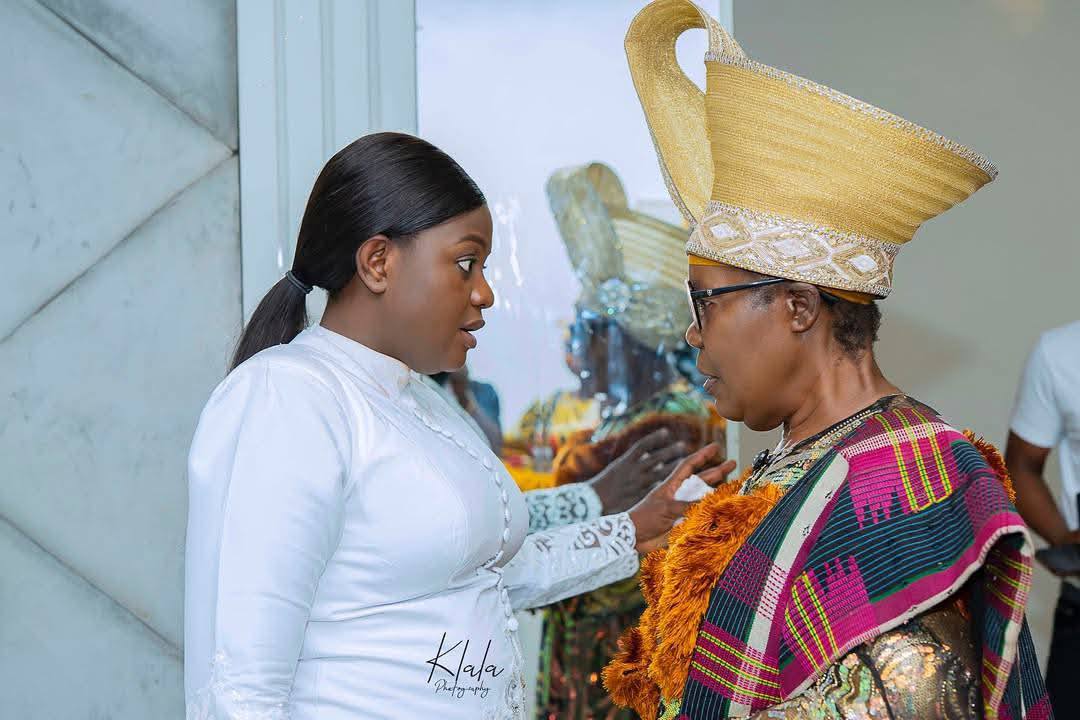
Mrs. Deborah Adebola Fasoyin is a true veteran of Nigerian gospel music and the leader of the iconic Christ Apostolic Church Good Women Choir. Her musical journey began in a church choir at a tender age, and she has since become a beacon of faith through her music. She has received numerous accolades, including the PMAN's award for the "Most Evergreen song," a testament to the timeless nature of her work. Her most famous song, "Odun Nlo Sopin" (The Year is Ending), is more than a classic; it is a prophetic and cherished anthem that holds a special place in the hearts of millions of Nigerians, symbolizing hope and gratitude as the year draws to a close.

Dupe Olulana
Dupe Olulana is a veteran gospel musician celebrated for her enduring contributions to the genre over many decades. Her discography, which includes albums like "Gbigbo Wiwe" and "Holy Ghost Conga," reflects a career dedicated to producing music that uplifts and inspires. Her work is also notable for its strong focus on traditional hymns, as showcased in her album "Hymns in His Praise". Her presence at the event alongside other pioneers reinforced the celebration's theme of honoring the diverse and layered history of gospel music in Nigeria.
Funmi Aragbaiye
Evangelist Funmi Aragbaiye is a seasoned gospel musician with a career that began after her service in the civil service and media. She is credited with a significant innovation in the genre, being the first to introduce choreography into Nigerian gospel music videos. Her career came full circle at the event, as she had previously shared a stage with fellow honorees Ebenezer Obey and Bola Are at her own 60th birthday celebration. She became a household name with her debut album, "Olorun Igbala," which featured the hit song "Sioni O Ilu Ayo".

Bola Are
Dr. Bola Are is a veteran gospel singer whose ministry was inspired by a divine prophecy from a young age. She has held the esteemed position of President of the Gospel Musicians Association of Nigeria (GOMAN) for two terms and is a favorite of prominent religious leaders like Bishop David Oyedepo. Her long-standing career spans over six decades, and her signature evergreen album, "Baba Ku Ise," remains a classic. Her extensive discography also includes classics such as "Apostle Joseph Ayodele Babalola" and "Baba Kuse".
A Night of Reflection, Worship, and Gratitude: Key Moments from the Event
The "Celebrating the Legends" event was a rich tapestry of emotion, artistry, and spirituality. The atmosphere was a powerful blend of reverence and joy, featuring renditions of "timeless gospel classics that evoked nostalgia and reaffirmed the enduring impact of the celebrated trailblazers". Popular comperes Asiri Comedian and MC Ajele ensured the evening remained "lively and engaging".
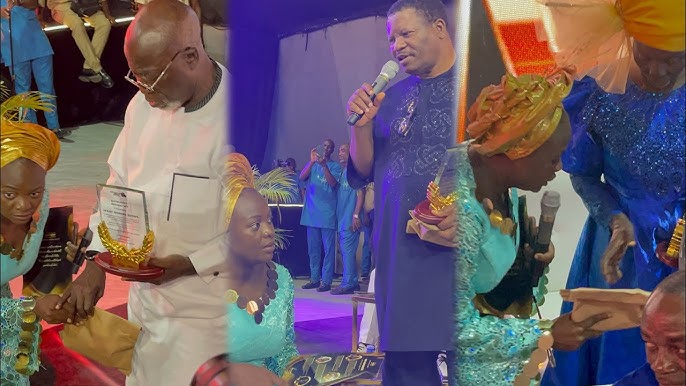
The most profound moment of the night was a powerful display of reciprocal honor. The gospel legends collectively gathered and "prayed for Alaseyori, showering her with blessings in appreciation of her gesture". This was not a mere formality but a deeply symbolic act. Alaseyori herself noted that the "living treasures" "rejoiced, prayed earnestly for her, and blessed a visionary daughter who chose to honor them while they yet live". In an industry that has seen public conflicts and accusations of disrespect, this collective prayer served as a public and powerful demonstration of unity and approval. This act of blessing can be interpreted as a professional and spiritual validation of Alaseyori’s ministry, effectively resolving any lingering echoes of past controversies. The gesture validates her character and vision, solidifying her place as a revered figure in the industry. Beyond the spiritual blessings, the legends were also "honoured with awards and gifts in recognition of their decades of service to gospel music and ministry". This tangible recognition underscored the event's purpose of providing concrete and heartfelt appreciation for their life's work.
Uniting Generations: The Event’s Broader Significance
The "Celebrating the Legends" event is a powerful cultural statement. It addressed a prevalent issue in many creative industries, particularly in Nigeria, of failing to adequately honor and appreciate pioneers during their lifetime. By celebrating them "while they yet live," Alaseyori’s initiative is a significant step toward reversing this trend and establishing a new paradigm of respect and gratitude.19
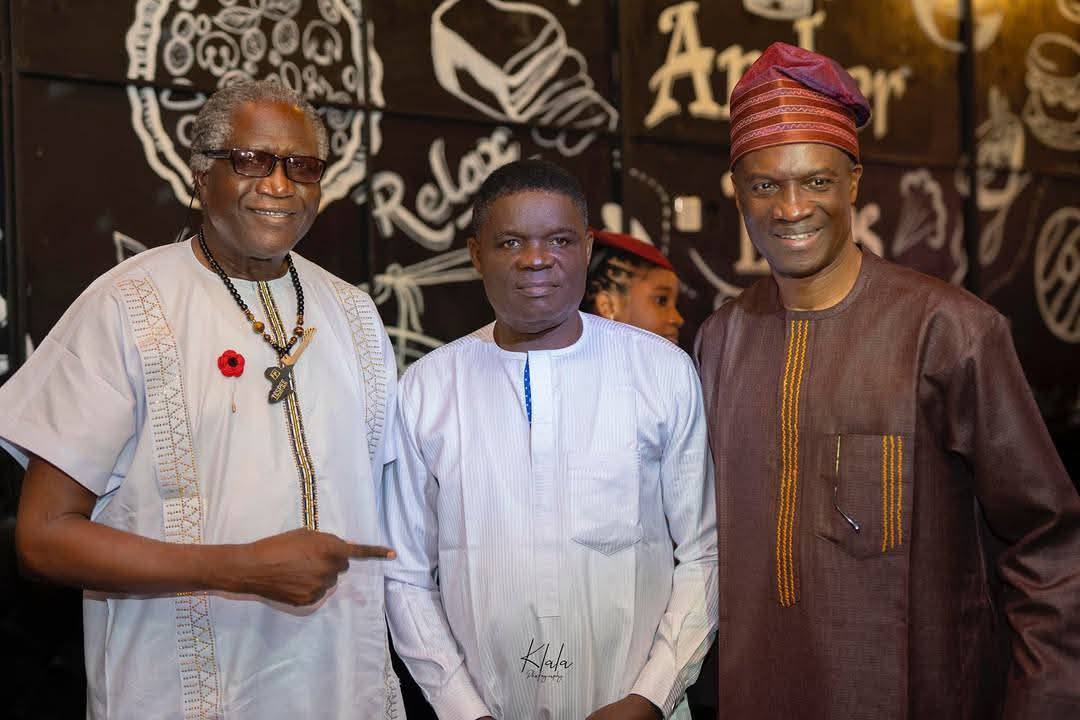
The celebration also served as a potent symbol of unity within the gospel music community. It brought together "notable stakeholders in the industry, creating an atmosphere of unity, worship, and heartfelt tributes". This marked a stark contrast to past conflicts, such as the widely publicized critique of Alaseyori's song by Tope Alabi, and represents a positive step forward for the entire community. The event strategically positions Yinka Alaseyori not just as a talented singer, but as a visionary leader who values history, tradition, and community. Her public deference to her predecessors enhances her brand’s authenticity and broadens her appeal, connecting with older generations who cherish the honorees' music while strengthening the loyalty of younger fans who admire her respect for the genre's history.
Conclusions and Recommendations
The "Celebrating the Legends" event was a landmark moment for the Nigerian gospel music community. It was not a simple concert but a powerful act of faith, gratitude, and unity initiated by a visionary artist. By honoring the pioneers of the genre, Yinka Alaseyori has effectively transcended her role as a popular musician to become a custodian of the genre's legacy. This initiative sets a new standard for industry conduct and provides a blueprint for how new generations can show reverence for those who paved the way.
What do you think about this, pls lets hear from you
[keywords: Yinka Alaseyori, Nigerian gospel music, gospel music legends,Yinka Alaseyori recent event, Yinka Alaseyori celebrates legends, Ebenezer Obey gospel songs, Joseph Adelakun Ayewa biography, Bola Are evergreen songs, Deborah Fasoyin "Odun Nlo Sopin", Celebrating the Legends with Adeyinka Alaseyori]




0 Comments